
How to Grow Big, Sweet, and Juicy Watermelons: A Step-by-Step Guide
Ganesh
October 19, 2025
Uncategorized
Few fruits are as refreshing and satisfying as watermelon. Perfect for summer picnics, juices, desserts, or a healthy snack, watermelons are loved worldwide for their sweetness, juiciness, and vibrant flavor. Yet, achieving large, sweet, and succulent watermelons can be tricky for many gardeners. Improper soil, insufficient water, or overcrowding often results in smaller, less flavorful fruits.
The good news is that with the right techniques, soil preparation, and care, you can grow watermelons that are larger, sweeter, and more succulent than anything you buy from the market. This guide will provide a step-by-step approach to growing watermelons successfully, including planting tips, soil requirements, watering techniques, fertilization, and harvesting for maximum sweetness and size.
Why Grow Watermelon at Home?
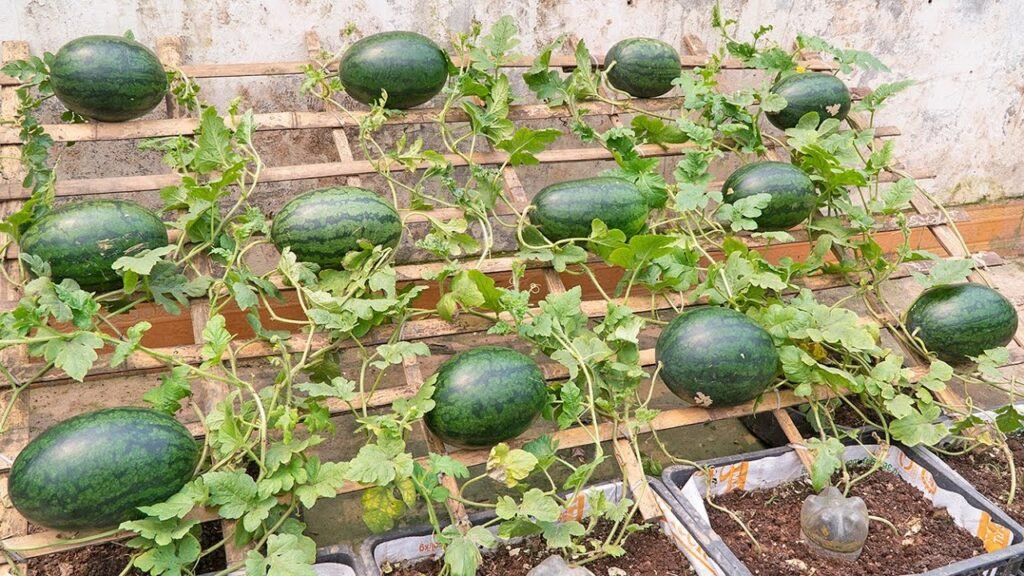
1. Superior Taste and Freshness
Homegrown watermelons are naturally sweeter and more flavorful than store-bought varieties. You control every step of cultivation, from soil to water, resulting in a better-tasting fruit.
2. Cost-Effective
Large watermelons from the store can be expensive. Growing your own ensures a continuous supply at a fraction of the cost.
3. Chemical-Free Produce
Growing watermelon at home allows you to avoid harmful pesticides and chemicals, producing safe, organic fruits.
4. Fun and Educational
Watermelon cultivation is a rewarding process for gardeners of all ages. It teaches patience, planning, and hands-on farming skills.
5. High Nutritional Value
Watermelons are rich in vitamins A, C, antioxidants, and water content, making them hydrating and healthful.
Understanding Watermelon Growth
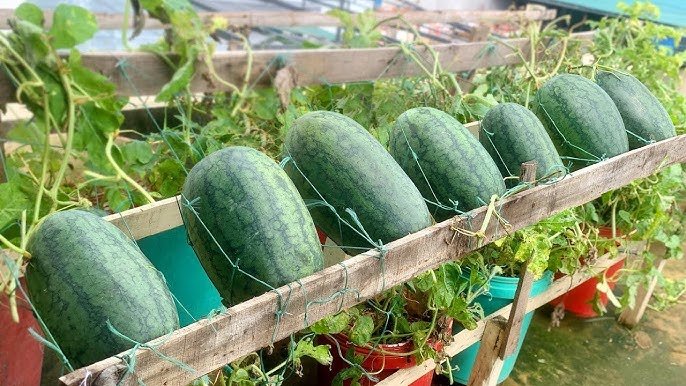
Watermelons are warm-season, sprawling vine plants that require careful attention to soil, sunlight, and water. Key growth factors include:
- Temperature: Watermelons thrive in 70–85°F (21–29°C) with warm soil.
- Sunlight: Full sunlight is critical—6–8 hours per day is ideal.
- Soil: Well-draining, nutrient-rich soil with organic matter ensures large fruits.
- Spacing: Vines require ample space (6–10 feet between plants) for sprawling growth.
- Pollination: Bees and other pollinators are essential for fruit set.
Understanding these requirements ensures that your watermelons grow larger, sweeter, and juicier.
Materials Needed
To grow watermelons successfully, you’ll need:
- Watermelon seeds – Choose varieties known for sweetness and size
- Compost or organic manure – Enhances soil fertility
- Garden soil – Well-draining and loose
- Mulch – Straw or dry leaves to retain moisture
- Watering tools – Hose or watering can
- Fertilizer – Balanced NPK fertilizer for growth and fruiting
- Trellis or space – Optional, if vertical growth is desired
Step-by-Step Guide to Growing Watermelon
Step 1: Choose the Right Location
- Select a sunny area with at least 6–8 hours of direct sunlight daily.
- Ensure adequate space for sprawling vines, or use a trellis for vertical growth.
- Well-drained soil is critical to prevent root rot and fungal diseases.
Step 2: Prepare the Soil
- Mix garden soil with compost or well-rotted manure to enhance fertility.
- Add sand or perlite for drainage, ensuring soil is loose and well-aerated.
- Prepare raised mounds or hills about 12 inches high and 3 feet apart. This improves drainage and keeps fruits off wet soil.
Step 3: Plant Watermelon Seeds
- Sow seeds 1–2 inches deep in soil mounds, spacing 2–3 seeds per hill.
- Thin seedlings to 1–2 strong plants per mound once true leaves appear.
- Water gently after planting to settle soil around seeds.
Step 4: Watering Watermelons
- Watermelons require consistent moisture, especially during flowering and fruiting.
- Avoid overwatering, which can lead to root rot.
- Drip irrigation or watering at the soil level is ideal; avoid wetting leaves.
- Mulch around plants to retain moisture and regulate soil temperature.
- Fertilizing for Large and Sweet Fruits
Fertilizing for Large and Sweet Fruits
Post a Comment